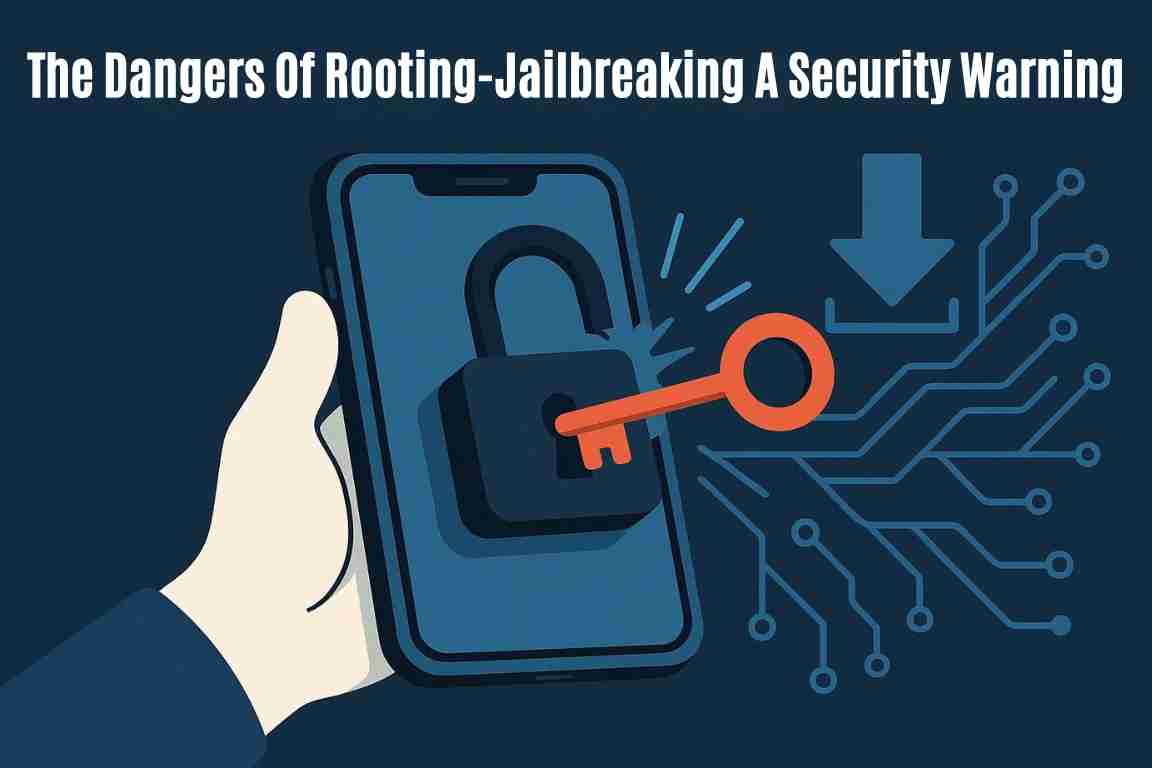
The Dangers Of Rooting/Jailbreaking: A Security Warning
The process of rooting your Android device or jailbreaking an iOS device may seem like an opportunity to gain access to an array of customisation and options. Its appeal to bypass the manufacturer’s restrictions, using unofficial applications, or tweaking the your system’s settings could be enticing. But, this seemingly liberating method comes with significant security risks that many users overlook. Before you take the leap is crucial to be aware of the vulnerabilities that you could expose your data and devices to.
Table of Contents
Understanding Rooting and Jailbreaking
Both jailbreaking and rooting require privileges “root” or administrative access to the operating system of your device.
Rooting Android
Rooting allows you to grant superuser privileges for the Android device. This lets you:
- Install kernels and custom ROMs.
- Take out bloatware pre-installed.
- Modify and access the system’s files.
- Install applications that need root access.
Jailbreaking iOS
Jailbreaking can remove the limitations of software that are imposed by Apple on iOS devices. It allows you to:
- Install applications from other than the App Store’s official App Store (via platforms such as Cydia as well as Sileo).
- Modify the user interface to go beyond typical options.
- Access more information about the files system.
Although these features may appear appealing, the process to achieve them undermines the inherent security functions built into the device to safeguard your device.
The Escalated Security Risks
Infringing on the OS’s built-in security protections exposes your device to an array of security threats. Below are a few of the greatest security threats that can be posed by jailbreaking and rooting:
Increased Malware Vulnerability
App stores that are official, such as Google Play as well as The Apple App Store have security safeguards in place that scan applications for malware before they’re made available for download. If you jailbreak or root your device, and then begin installing applications from non-official sources, you can bypass those essential security screenings. This increases the likelihood of installing and downloading malware. These include:
- Spyware: Software that can secretly monitor your activities, take your personal information, and even record your phone calls.
- Adware: Ads that are aggressive and may disrupt your device’s use and even install harmful software.
- Ransomware: The software locks the device or decrypts your documents and demand the payment of a ransom in exchange for their release.
- Banking Trojans: malicious software designed to snoop your bank account credentials as well as your financial details.
Weakened Operating System Security
Jailbreaking and rooting typically involve taking advantage of weaknesses in your operating system. Though the method used may differ, they all provide backdoors to malicious actors are able to exploit. Backdoors that are created can enable attackers to gain access without authorization into your gadget, take control of the functions remotely, or take sensitive information without knowing. Additionally, the updates issued by Google as well as Apple typically patch these security holes. Jailbroken or rooted devices might not be able install these patches, which makes them vulnerable to vulnerability.
Instability and Performance Issues
The changes involved in jailbreaking or rooting can result in unstable systems, crash, and a decrease in performance. The process of deviating from the desired operating system’s settings can lead to problems between software components, and cause unpredictability in behaviors. You might experience:
- Frequent app crashes.
- Draining the battery.
- Overheating.
- The device slows down.
- The inability to use some applications or features.
Voiding Your Warranty
The process of jailbreaking or rooting your device can void the warranty of the manufacturer. If you run into problems with your device’s hardware or software following the modification of your device in such a manner, then the manufacturer cannot offer repair or assistance. It is your sole responsibility for the costs of repair of the device.
Data Breaches and Privacy Compromise
A higher risk of being infected by malicious software and access that is not authorized directly increases the chance of data breaches as well as security breaches. Anyone who gains access to the device that is jailbroken or rooted are able to steal an array of your personal data, such as:
- The login credentials (usernames as well as passwords).
- Financial details (credit card numbers, bank account information).
- Photos and videos of my personal photos.
- Messaging and email.
- Location data.
- Call logs and contacts.
These stolen details may be used to commit the purpose of identity theft, financial fraud and other criminal motives.
Difficulty in Updating Software
The official software updates provided by Google and Apple typically include critical security patches as well as performance enhancements. Jailbroken or rooted devices may encounter significant difficulties when trying to download these updates. Changes to your system could hinder the process of updating which could lead to problems with your device, or necessitating an entire reset that could erase all of your personal information. When you don’t update your device by ignoring updates, you’re placing your device at risk to vulnerabilities in security that have been identified.
Making an Informed Decision
Although the apparent benefits of jailbreaking or rooting might appear appealing, the risks to security are significant and shouldn’t be taken lightly. Before you proceed, take a moment to consider the consequences that could be entail as well as weigh these against wanted customizations.
When privacy and security are essential, it’s typically recommended not to root and jailbreaking the device. It is a greater control, but comes at an expense in terms of security and the possibility of data loss. Being part of the ecosystem that is official, ensuring your device current and installing only apps that are from trusted sources are best ways to safeguard your device as well as your private information.